







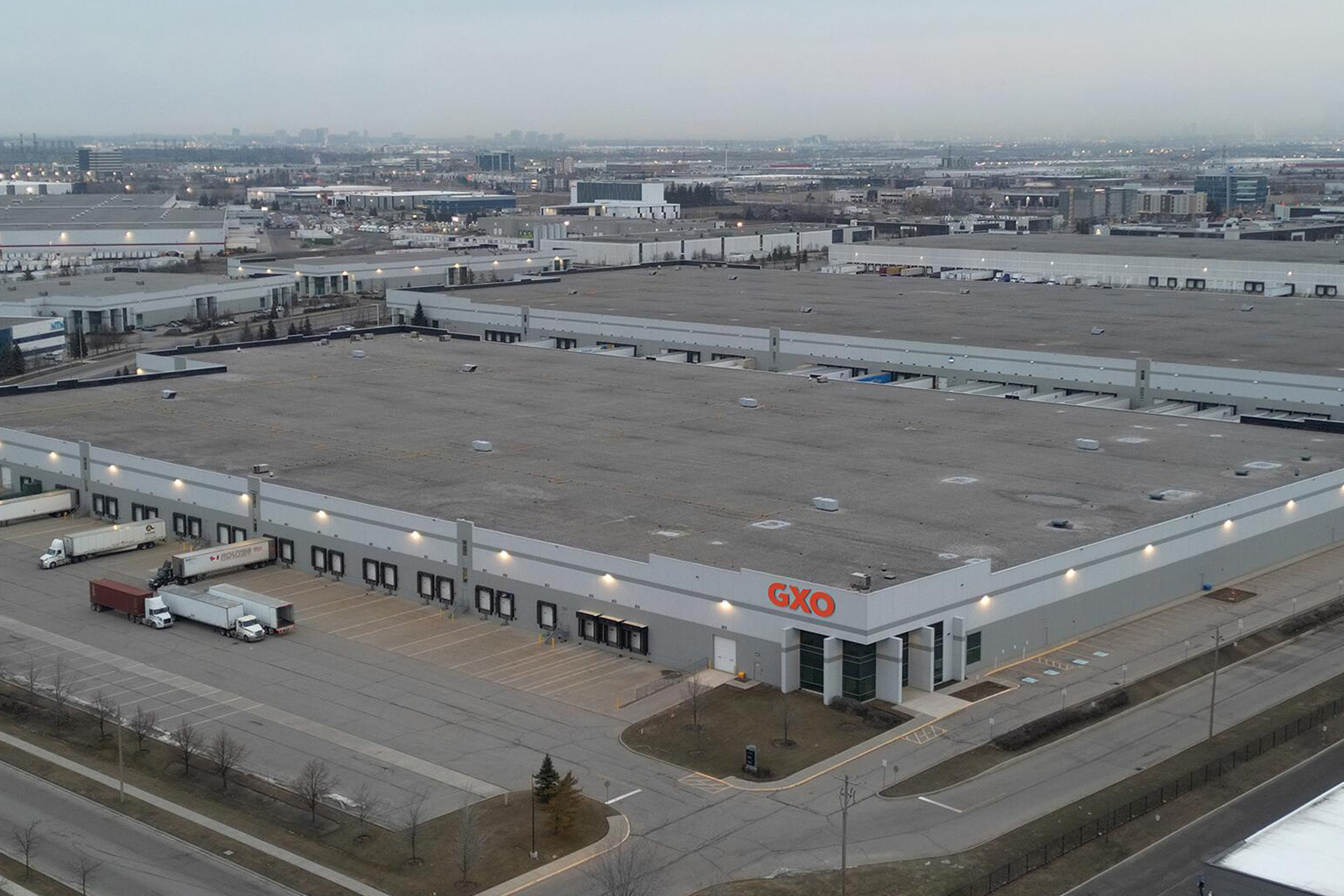
The world’s largest jewellery brand has made a significant move on Canadian soil. Pandora officially opened a new online distribution centre in Mississauga, Ontario — a strategic step that will reshape how Canadians receive their charm bracelets, rings, and necklaces, while insulating the Danish brand from the mounting costs of U.S. trade tariffs.
What Is the Pandora Mississauga Distribution Centre?
The newly opened facility in Mississauga handles Pandora’s growing Canadian online business end-to-end. Previously, online orders placed by Canadian customers were processed through Pandora’s U.S. distribution centres — meaning jewellery had to clear U.S. customs before arriving on Canadian doorsteps. That routing exposed the brand to U.S. import tariffs on goods manufactured in Thailand, where Pandora crafts all of its jewellery across two factories.
The Mississauga centre changes that entirely. Canadian orders now stay in Canada from the moment they are fulfilled, bypassing U.S. customs and the tariffs that come with it.
The facility is operated by GXO Logistics and uses an advanced “pick-to-light” order system — a technology that guides employees with pinpoint LED lights to identify exactly which items belong in each order. The result is faster processing and fewer fulfilment errors.
Why Did Pandora Open a Canadian Distribution Centre Now?
Q: Why is Pandora opening a distribution centre in Canada?
The timing is directly tied to the sweeping U.S. tariffs introduced under President Donald Trump, which have hit goods imported from Thailand — Pandora’s sole manufacturing base — particularly hard. Pandora has estimated that U.S. tariffs will shave 1.5 percentage points off its operating margin in 2026.
On a larger scale, the company calculated that roughly DKK 250 million of its potential gross tariff exposure was linked to goods destined for Canada and Latin America that were being routed through U.S. distribution infrastructure. By establishing direct-to-Canada fulfilment, Pandora moves to eliminate that exposure entirely.
Canada has also emerged as one of Pandora’s fastest-growing markets globally. Canadian revenue has grown more than 50% since 2019 and surpassed DKK 1 billion (Danish Krone) in 2025. With more than 20% of Canadian sales now coming through online channels, a dedicated domestic fulfilment hub is both a defensive and offensive play.
Q: Will Canadian Pandora prices change because of tariffs?
The opening of the Mississauga centre is specifically designed to prevent U.S. tariff costs from being passed on to Canadian consumers. By rerouting Canadian orders away from U.S. customs entirely, Pandora absorbs less tariff exposure — reducing the pressure to raise prices in this market.
A New Logistics Architecture — Canada Leads the Way
Beyond the tariff benefits, the Mississauga facility marks the debut of Pandora’s next-generation logistics model. The company describes it as a “scalable setup that replaces older, market-specific systems,” designed to work with any logistics provider and deliver better stock availability and higher order accuracy.
Canada is the first market in the world to adopt this new architecture — a notable distinction that speaks to how seriously Pandora views its Canadian business.
Pandora currently operates 96 stores across Canada and employs more than 1,400 people in the country. Its retail network continues to be served by the company’s central distribution hub in Thailand, while the Mississauga centre specifically handles the online channel.
Pandora’s Broader Tariff Strategy
The Mississauga opening is one piece of a larger mitigation plan. Pandora has stated it expects to fully address the DKK 250 million tariff exposure related to Canada and Latin America within 12 months through direct regional shipping. For its remaining U.S.-bound exposure — estimated at DKK 950 million annually — the company is exploring price increases and supply chain restructuring.
The brand has also recently introduced jewellery plated with platinum, partly to diversify away from its heavy reliance on silver, further reducing commodity risk.
CEO Berta de Pablos-Barbier, who joined Pandora’s leadership team earlier this year, has inherited a business grappling with one of the most disruptive trade environments in recent memory — but the Canadian expansion signals confidence in long-term growth outside the U.S.
What This Means for the Canadian Jewellery Industry
Pandora’s move is a bellwether moment for the broader Canadian jewellery sector. As U.S.-Canada trade tensions continue to affect cross-border supply chains, brands that relied on routing Canadian fulfilment through American logistics hubs are being forced to reconsider that model.
Q: How are U.S. tariffs affecting jewellery brands in Canada?
The Canada-U.S. tariff dispute that began in early 2025 has created significant complexity for jewellery retailers operating across both markets. While Canada and the U.S. reached a partial reset on CUSMA-compliant goods in September 2025, non-compliant goods continue to face elevated duties. Brands like Pandora that manufacture outside North America — particularly in Asia — have felt that pressure acutely.
For Canadian jewellers and retailers, Pandora’s infrastructure investment signals a new competitive reality: brands that localize their supply chains will be better positioned to protect margins and customer experience, regardless of how the tariff landscape evolves.
Pandora by the numbers in Canada:
- 96 stores coast to coast
- 1,400+ employees
- 50%+ revenue growth since 2019
- DKK 1 billion+ in Canadian revenue in 2025
- 20%+ of sales from online channels
Pandora is headquartered in Copenhagen, Denmark, and sells jewellery in more than 100 countries through approximately 7,000 points of sale. All Pandora jewellery is crafted using 100% recycled silver and gold.


