








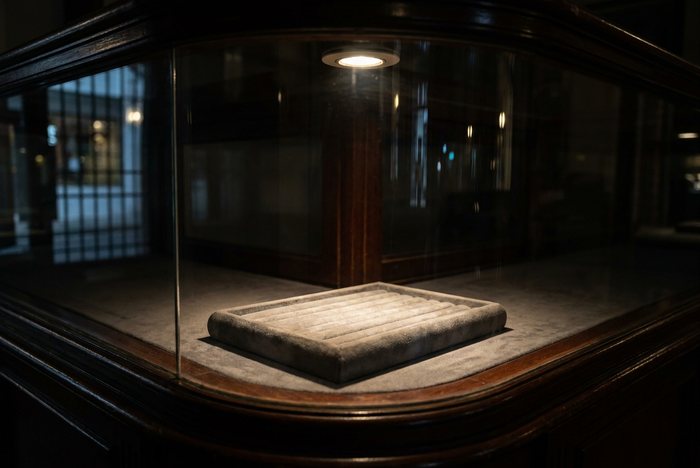
On 23 June 2025, a crew emptied the cases at Paris Jewellers inside Stratford’s mall in under a minute. It was the third hit on that one store in eighteen months, the kind of organized retail theft the courts have struggled to punish.
As of 15 July 2026, Bill C-14, the Bail and Sentencing Reform Act, makes organized retail theft an aggravating factor at sentencing and forces courts to weigh an accused’s outstanding charges before granting bail.
The same faces, the same short gap between arrest and the next storefront. That gap is what the law was built to close. For the trade, it lands on the two moments that decide a robbery file: the bail hearing and the sentence.
How does Bill C-14 change bail for repeat offenders?
Courts must now weigh the number and seriousness of an accused’s outstanding charges before deciding on release. Someone already facing three open break-and-enter files no longer arrives with a clean record in front of the judge.
The Act also widened reverse onus. For repeat violent and organized offences, including violent auto theft, break-and-enter of a home, and assaults involving choking or strangulation, the accused must show why release is justified rather than the Crown showing why it is not. For weapon-related violence, the look-back on prior convictions stretched from five years to ten.
Ordinary shoplifting stays outside these rules. A single theft charge still draws a standard hearing. What shifted is the weight of a record, and organized jewellery crews rarely carry a light one. A takedown routinely surfaces stolen vehicles, weapons and possession charges stacked on the robbery, which is the exact profile the reverse onus was written for.
What is the organized retail theft aggravating factor?
The second change reaches the sentence. When a court convicts on theft, robbery, break-and-enter or possession of stolen property, and the goods were taken to be resold, bartered or fraudulently returned, that commercial purpose now counts against the offender. Proving a formal criminal organization is not required, which was deliberate, since those cases run slow and often collapse. Intent alone raises the seriousness.
For jewellery the threshold is easy to clear. Nobody hammers a display case for personal use, and the stock moves through fences and resale channels within hours. A prosecutor no longer has to map the network to argue for a heavier term.
The Act paired this with consecutive sentencing in the worst combinations. Violent auto theft with break-and-enter, and extortion with arson, now draw sentences served back to back rather than together. The arithmetic of a conviction changed.

What gap does Bill C-14 leave for youth crews?
One weakness survives. The Youth Criminal Justice Act changes widen custody only where a young person’s crime causes bodily harm or involves a firearm. A teenager who breaks a case and runs, with no injury and no gun, still sits outside the tougher rules, and some youth provisions arrive later by order in council rather than on 15 July.
That leaves the recruit-a-teenager tactic wounded rather than finished. Crews have long put minors inside the store because the consequences were lighter. The new law raises the cost for the adults who organize and fence the goods, yet the non-violent teenage runner remains a soft entry point worth watching.
How should jewellers respond to organized retail theft?
A statute only bites when the file in front of the judge is strong. That makes a store’s own records part of the sentence.
| The Monday-morning file | Why it matters under C-14 |
|---|---|
| Time-stamped camera footage, backed up off-site | Establishes the offence and links a crew’s coordinated hits |
| Serial numbers and photographs of high-value stock | Evidences resale intent, the trigger for the aggravating factor |
| A written victim impact statement, filed every time | Puts the store’s loss and staff trauma on the sentencing record |
| A named contact at the local police service | Turns repeat hits into one pattern instead of isolated reports |

The victim impact statement carries the most weight, and the trade files it least. Lodged on every incident, it puts staff trauma, lost hours and insurance fallout on the record the new aggravating factor can act on. A quiet loss on the balance sheet reads very differently to a judge once the human cost is written down.
The numbers behind the law explain the urgency. Reported jewellery robberies climbed through 2025, and retail crime overall now runs into the billions.
| Canadian retail crime, recent figures | Figure |
|---|---|
| Media-reported jewellery store robberies, June 2025 vs June 2024 | Up roughly 250 per cent |
| Estimated annual retail shrink in Canada (Retail Council of Canada) | Around $9 billion |
| Police-reported shoplifting incidents of $5,000 or less, 2024 | 182,361, up 14 per cent on 2023 |
Canadian Jeweller has tracked this wave store by store in its June 2025 robbery update. Bill C-14 is the first federal answer with real teeth behind it. Whether it changes outcomes on the ground depends on the files retailers build in the meantime.
More from Canadian Jeweller
- Toronto Police Seek Five Suspects in Sherway Gardens Smash-and-Grab Robbery
- SUV Smash-and-Grab: Montreal Jewellery Heist Reflects a Nationwide Crime Surge
- Daring Heist at Yorkdale Mall: Pepper Spray and Smash-and-Grab in Cartier Store Robbery
- Five Arrested After Attempted Robbery at a Jewellery Store in Oshawa, Ontario
Frequently asked questions
When did Bill C-14 come into force?
The bail and sentencing provisions took effect on 15 July 2026, one month after Royal Assent. Certain Youth Criminal Justice Act changes are set to follow by order in council.
Does Bill C-14 mean automatic detention for repeat shoplifters?
No. There is no automatic reverse onus for ordinary shoplifting. Courts must weigh an accused’s outstanding charges, and a new reverse onus applies to repeat violent and organized offences such as violent auto theft and break-and-enter of a home.
What triggers the organized retail theft aggravating factor?
Goods taken to be sold, bartered or fraudulently returned. The commercial purpose raises the sentence on its own, with no need to prove a criminal organization.
Does the law close the loophole around youth used by crews?
Only partly. Custody widens for young persons whose crimes cause bodily harm or involve a firearm. A non-violent teenage runner still falls outside the tougher rules.
What is the single most useful step for a store?
File a victim impact statement on every incident, and keep off-site footage plus serial records so resale intent and the repeat pattern are documented.
This article provides general information for the trade and is not legal advice. Consult a Canadian criminal lawyer about any specific matter.
Sources: Department of Justice Canada, Bail and Sentencing Reform Act; Government of Canada, news release on the bail and sentencing reforms; Retail Council of Canada retail shrink estimate; Statistics Canada police-reported shoplifting data; Canadian Jeweller robbery tracking.

Author: Canadian Jeweller Editorial Team
The editorial team of Canadian Jeweller Magazine, Canada’s jewellery industry publication since 1879. We report on retail strategy, diamonds and gemstones, watches, precious metals, technology, and the business of jewellery across Canada. Editorial inquiries: editor@canadianjeweller.com.


