




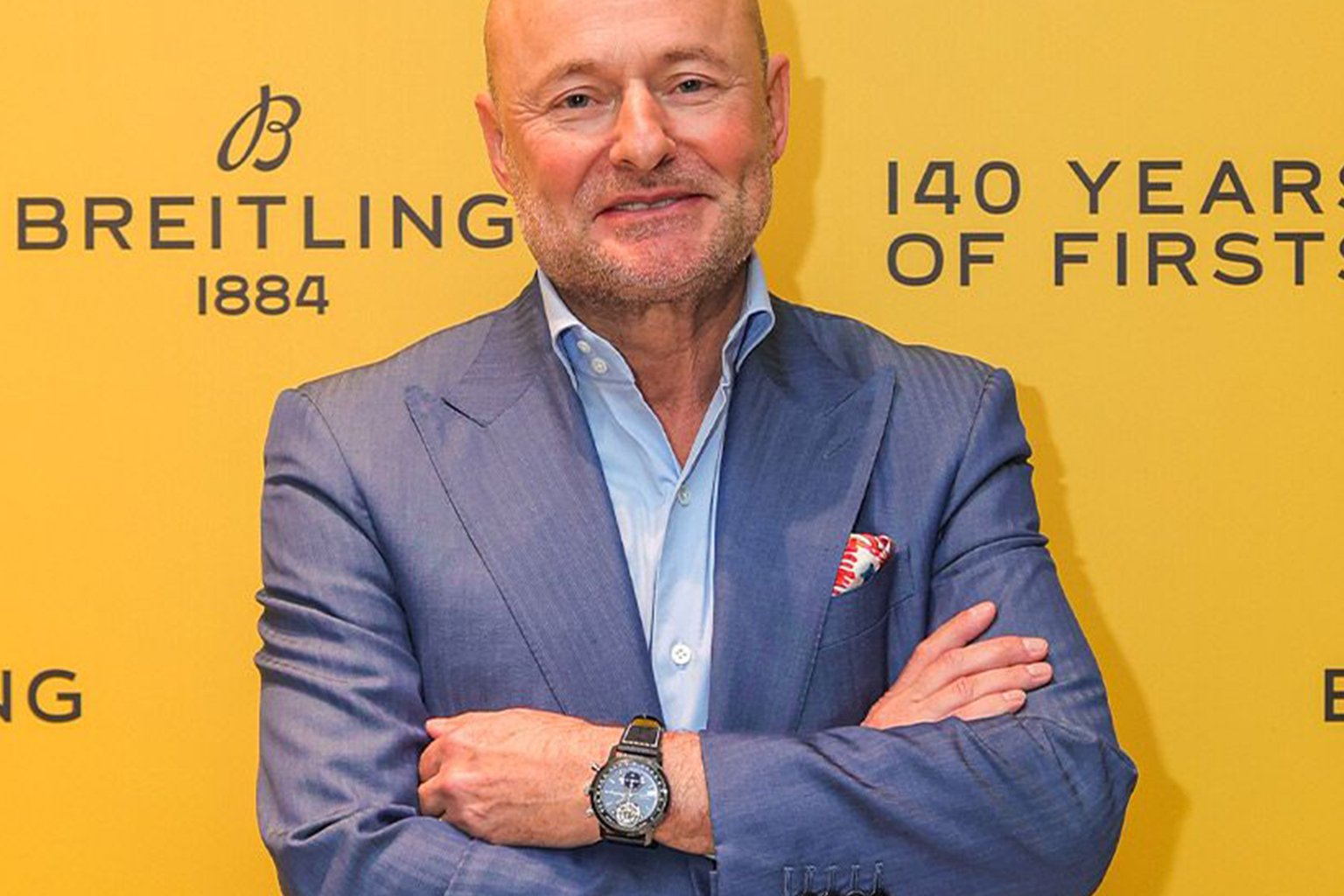
Why Breitling Is Still Bullish on the US Market
Breitling AG CEO Georges Kern says he expects the United States to cut tariffs on Swiss watches further, reinforcing his confidence in the brand’s biggest market even as policy signals continue to shift. His expectation is that Swiss watches are unlikely to remain a priority target because they are premium consumer goods, not mass industrial imports tied to domestic job displacement. For Breitling, the point is less about short-term noise and more about the long-term strength of American demand for luxury watches, which has remained a cornerstone of global performance for many Swiss brands.
What a Tariff Cut Could Mean for Swiss Watch Pricing
Even if tariffs move lower, consumers should not assume retail prices will fall in a clean, direct way. Luxury pricing tends to be sticky, particularly once brands have adjusted MSRPs to protect margins and maintain stable authorized dealer economics. A lower tariff can still matter, just differently: it reduces the likelihood of another sudden price reset, makes it easier to plan launches and promotions, and helps brands avoid building extra “insurance” into future pricing. In other words, the biggest benefit is often predictability, not discounts, especially when other cost drivers such as metals, labour, logistics, and currency movement continue to apply pressure.
What Watch Brands and Retailers Should Watch Next
For the Swiss watch industry, the real question is whether the final tariff framework becomes clear, durable, and aligned with how brands manage pricing across regions. If the US rate settles at a lower level or becomes more predictable, brands can plan inventory allocation and annual price calendars with more confidence, and authorized retailers can buy and merchandise without worrying that a sudden policy shift will disrupt margin or demand. If the rate remains uncertain or swings again, the market tends to respond defensively, with earlier price increases, tighter supply decisions, and more cautious ordering. Kern’s message signals a belief that the direction of travel is favourable, but the wider trade is still waiting for a stable rulebook.


