





A headline cut that doesn’t feel “settled”
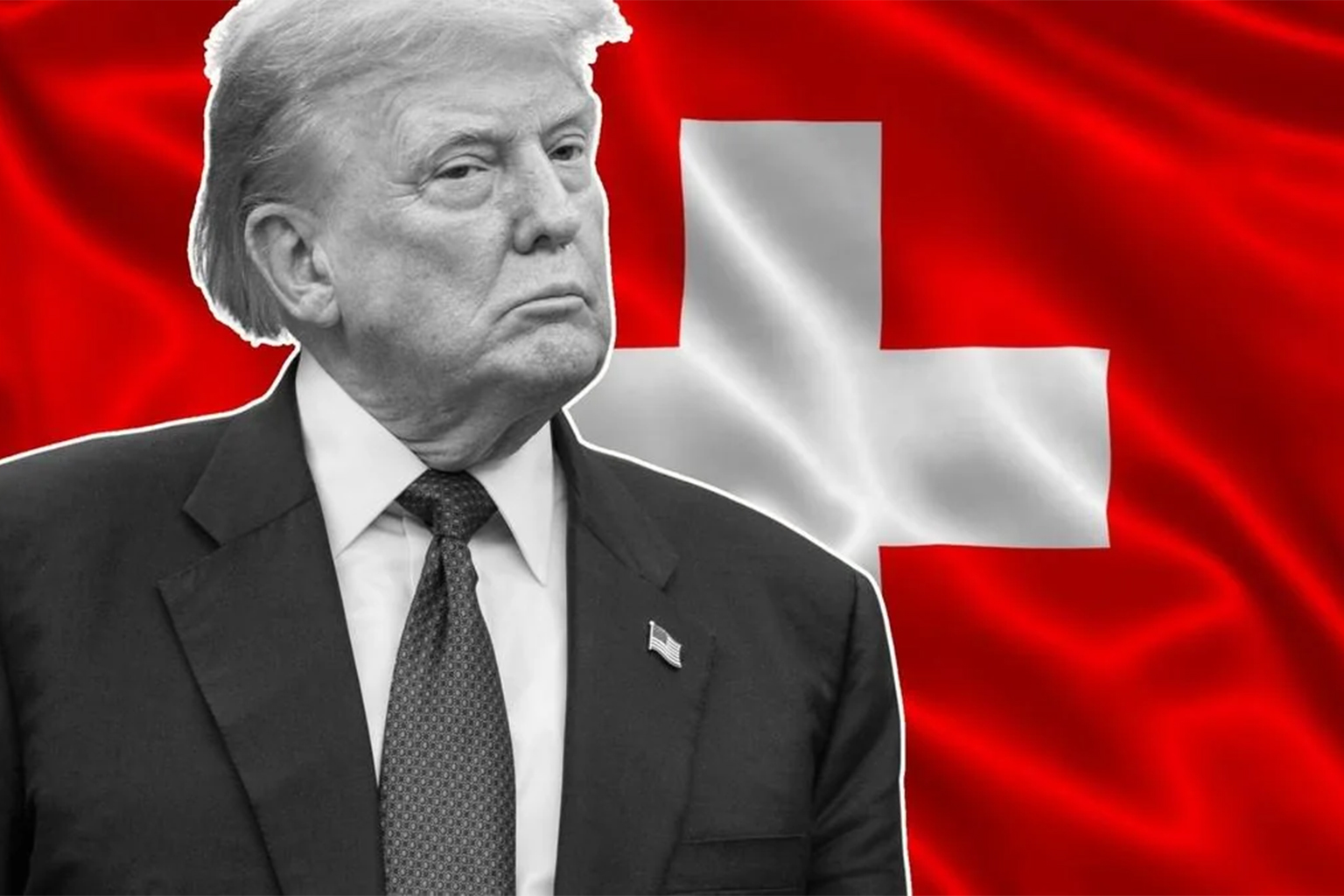
When U.S. President Donald Trump said he had agreed to lower tariffs on Swiss imports to 15%, the watch world heard one word: relief. But the second part of his message matters more to the industry’s long game: tariffs could rise again.
For Swiss watchmaking, that combination is both a win and a warning. A lower ceiling immediately reduces the pressure for sharp retail price jumps, margin compression, and distribution chaos. Yet the possibility of another reversal keeps the entire ecosystem operating with one eye on the next announcement, not just the next collection.
Why 15% still changes the game for watch pricing
Tariffs don’t land on the retail sticker; they land earlier in the chain, on the import value. Still, the impact is real because it forces hard decisions about who absorbs the cost.
At a punitive level, tariffs tend to drive a blunt response: sudden MSRP lifts, tightened allocations, and stricter dealer terms. At 15%, the response becomes more strategic and, in many cases, more subtle. Brands can spread changes across annual price updates, shift the mix toward higher-margin references, or use controlled increases instead of shock-and-awe adjustments that spook customers.
For authorised dealers, the difference is immediate. A lower tariff ceiling can restore breathing room in margin planning, co-op advertising commitments, and the ability to confidently stock core models without fearing a mid-season cost spike that makes last month’s buys look overpriced on the shelf.
Inventory, allocation, and the return of “pull-forward” buying
Even more than pricing, tariffs reshape behaviour. When the industry believes tariffs might jump again, it triggers predictable reactions: brands accelerate shipments where they can, retailers lean into pre-buys, and consumers with purchase intent rush decisions to beat a potential increase.
This is how tariff risk becomes inventory risk. Brands hate being caught short in their most important market, but they also don’t want excess stock if demand softens. The result is allocation volatility: certain models become harder to get not only because demand is strong, but because distribution is being managed around political timing.
The larger groups can buffer this better than smaller independents. They have more flexibility in where they allocate units, how they finance inventory, and how they protect brand equity while adjusting to cost shocks. Smaller brands and suppliers feel it faster because one disrupted season can undo a year of retail momentum.
The grey market and pre-owned: uncertainty is fuel
A tariff swing doesn’t just influence what happens in boutiques. It influences what happens in the secondary market, where perception and timing can move pricing as much as fundamentals.
If customers think new watches will get more expensive, pre-owned looks smarter today. If customers think tariffs are dropping, some wait for brands to stabilise pricing or for dealers to become more promotional on slower-moving references. Either way, uncertainty increases the spread between “hot” and “not” models, and encourages opportunistic cross-border buying.
For luxury watches, price harmonisation becomes the hidden battleground. Brands prefer global consistency to protect their positioning, but tariffs push them toward regional adjustments. When that happens, customers become more comparative, and the watch market becomes more border-aware.
The Canadian implication: a quieter advantage for jewellers who plan
For Canadian jewellers, the U.S. tariff story matters even if your cases are filled in Toronto, Vancouver, Calgary, or Montreal.
First, Swiss brands may prioritise supply to the U.S. when the market is under policy pressure, which can affect Canadian allocations and lead times. Second, U.S. price movements shape Canadian consumer expectations. Clients follow watch pricing globally, and they notice when a model feels cheaper or more expensive across the border, even before they understand why.
That creates a real opportunity for Canadian retailers who act like advisors, not order-takers. When the market is noisy, clients crave clarity: what’s actually changing, what’s likely to stay, and when a purchase decision makes sense.
The best Canadian play is not panic buying. It is disciplined buying. Maintain depth in core references that reliably turn, protect liquidity for surprise allocation opportunities, and prepare your sales team with simple language that explains why prices may move and why availability can tighten without warning.
Who benefits most, and who stays exposed
A lower tariff ceiling helps the most price-sensitive parts of the Swiss watch category. Entry luxury and mid-luxury watches are where demand can shift quickly when the value equation changes.
At the very top end, demand is more resilient, but the stakes are higher because each unit carries more margin and more brand symbolism. That’s where brands tend to manage supply more aggressively, keeping scarcity intact even when conditions ease, and using price as a positioning tool rather than a pure cost response.
The most exposed players are those with less control over distribution and less ability to absorb short-term shocks: smaller brands, component suppliers, and retailers with concentrated inventory in models that can’t carry a price increase without slowing down.
What to watch next: the signals before prices move
The industry will be watching for clarity on three fronts: whether the 15% ceiling is treated as a stable baseline, whether further reductions are entertained, and what conditions might trigger a reversal. In a market that runs on confidence, the rules matter as much as the rate.
Until there is durable certainty, the smartest assumption is that volatility remains part of the operating environment. That doesn’t mean the watch industry stops. It means it stays nimble: tighter forecasting, more deliberate buying, and client communication that turns confusion into confidence.
For jewellers, the takeaway is straightforward. A tariff reprieve can help sales and soften sticker shock, but the risk of a reversal keeps inventory, allocation, and pricing in motion. The winners will be the retailers who treat this moment as a planning cycle, not a headline.


