







By the time De Beers changes hands, the country that helped build its modern supply could be producing almost nothing. That quiet subplot sits beneath the headline out of London this month, and it deserves the attention of every Canadian jeweller watching their diamond costs.
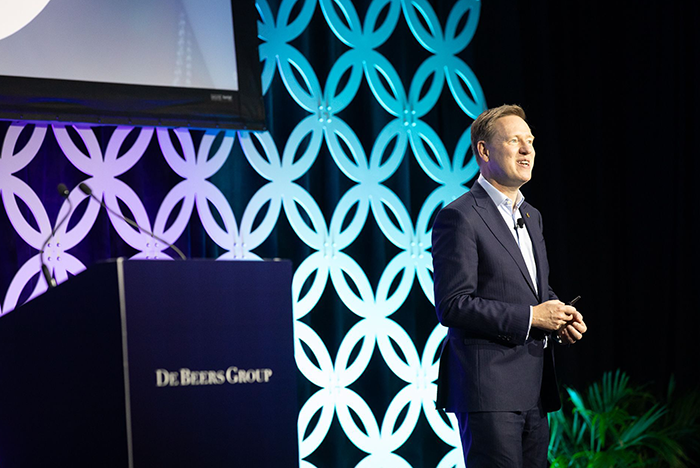
Speaking on the sidelines of the Reuters NEXT Europe summit on 16 June, De Beers chief executive Al Cook said the sale of the company by its parent, Anglo American, should close in “weeks rather than months.” After two years of negotiation, the most powerful name in twentieth-century luxury is about to belong to someone new. Yet for Canadian retailers and wholesalers, the more pressing question is not who buys De Beers — it is what happens to the stones once Canada’s own mines wind down.
What is actually happening
Anglo American put De Beers on the block in 2023, part of a broader retreat from diamonds toward copper, iron and the metals tied to electrification and new technology. The numbers explain the logic. Revenue fell from $6.6 billion in 2022 to $3.5 billion in 2025, production slid from roughly 35 million carats to 21.7 million over the same window, and Anglo wrote down the unit’s book value by billions across three straight years. Slower luxury spending in China and a flood of lab-grown diamonds into the United States produced three consecutive years of softening demand, and a crown jewel slowly became a liability on the balance sheet.
The field has since narrowed to two consortia, down from six earlier in the process. Both bring together diamond-producing governments such as Botswana and Namibia, Gulf capital, and industry veterans, among them former De Beers chief executive Gareth Penny and Israeli businessman Nir Livnat. The exact make-up of the final bids has not been disclosed.
Why it matters to Canadian jewellers
Here is the part that rarely makes the international coverage: Canada is on the edge of a supply cliff. Rio Tinto’s Diavik mine is closing, the owner of the Ekati deposit has filed for creditor protection, and De Beers has paused expansion at Gahcho Kué. Cook himself has warned that within a year, diamond supply out of Canada could effectively be finished.
That matters because, for two decades, “Canadian diamond” has been shorthand for traceable, ethical, responsibly mined origin — and that shorthand is about to lose its source material. The real shift is not simply that natural diamonds become scarcer; it is that the story behind each stone now has to get more specific. As Canadian production winds down, “Canadian” on its own will no longer carry the premium it once did. The retailers who can document exactly where a stone came from — mine, cutter, chain of custody and provenance — are the ones who will still be able to charge for it. That work starts now, not after the mines close.
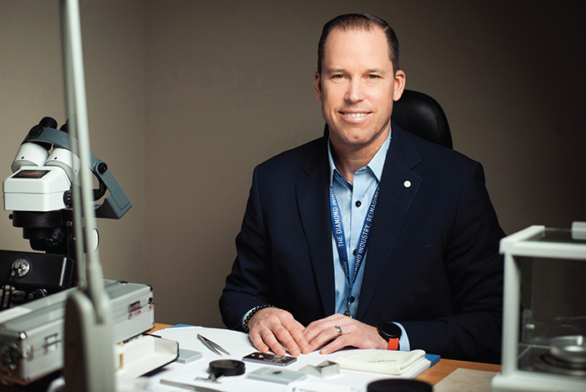
| INDUSTRY VOICE “For twenty years, ‘Canadian diamonds’ have been shorthand for traceable, ethical origin, responsibly mined — and that shorthand is about to lose its source material. The real shift isn’t that natural diamonds become scarcer; it’s that the story behind them must get more specific. Retailers who can document exactly where a stone came from — mine, cutter, chain of custody and provenance — will be the ones who can still charge for provenance once ‘Canadian’ alone doesn’t mean what it used to. That’s the work starting now, not after the mines close. Canadian diamonds with correct and proper tracking and an origin story will increasingly become a premium, and hard to find. Know your suppliers.”— Kevin Vantyghem, B.Sc., GIA Diamonds Graduate, President of Vantyghem Diamonds |
The scarcity question
Globally, no new supply is arriving to fill the gap. The Luele mine in Angola, which began commercial production in 2023 after roughly a decade of exploration, is the only major deposit to come online this generation. With several large mines in Canada and southern Africa closing or scaling back by 2027, the structural picture points one way: toward tighter rough supply. Should demand stabilise, that contraction could push natural diamond prices higher over the medium term.
This is the strategic tension every retailer should be weighing. Soft demand has defined the last three years; a supply shortage may define the next three. The jewellers who navigate the turn best will be those holding the right inventory before prices move, not after.
The blessing hidden inside the shortage
It would be easy to read all of this as decline, but that reading misses the point. Lower production does not end the business of natural diamonds — it refines it. Demand has not disappeared; the market for natural stones is real and, if anything, it is being concentrated rather than erased. What looks like contraction on a balance sheet can feel, from the shop floor, like something closer to a gift.
Rarity has always been the quiet engine of meaning in this trade. When fewer natural diamonds reach the market, each one carries more of the very thing a lab cannot manufacture: genuine scarcity, and the weight that comes with it. A stone that is harder to find is simply a stone that means more — not a marketing line, but the oldest truth in jewellery, and one the coming years may return to the centre of the conversation.
A culture is already forming around that idea. As natural diamonds grow scarcer, the people who seek them grow more deliberate — true jewellery lovers, drawn to the cut, the origin, the hand that set the stone and the millions of years of geology behind it. They are buying not a commodity but an object of art, one that turns into emotion the moment it is worn. A piece of jewellery is rarely about the stone alone; it is about everything that comes together to make it, and about the deeply personal feeling it carries for the person who owns it. No two of those feelings are ever the same.
That is the real opportunity, and it is an emotional one. The jeweller of the next decade is not selling a carat weight. They are curating rarity, telling the story of where a stone came from and why it can never be made again, and connecting it to the one person for whom it will mean something no algorithm can replicate. Scarcity is what gives that story its power, and the retailers who understand this will do more than survive a tighter market — they will build a clientele of genuine enthusiasts who treasure exactly what is becoming rare.
What this means for the buyer
For whoever wins De Beers, scarcity is the long game. Botswana already holds 15 per cent of the company, and diamonds account for roughly 80 per cent of its exports and close to a third of its GDP; a larger stake would let the country secure more of the value chain and steer the global rough trade. The Gulf and industry investors circling the deal are making a parallel bet — that a leaner, supply-constrained market rewards whoever owns the world’s most recognised diamond brand.
What Canadian jewellers should do next
Start by reassessing your sourcing strategy before the Canadian supply story closes, not after, and lock in relationships with suppliers who can document origin and ethics, because traceability will only grow more valuable as Canadian production fades. Watch rough pricing closely through 2026 and into 2027 as well, since a tightening market favours those who buy ahead of the curve.
Most of all, change how you sell the natural diamond. Rather than competing on size and price against a lab that can print either on demand, sell rarity, permanence and emotion. Build a clientele of true jewellery lovers — people who want the story, the origin and the once-made-never-again nature of a natural stone — and train your team to talk about meaning rather than specifications. As supply tightens, the natural diamond is becoming what it was always meant to be: an object of art that carries a feeling, and that feeling is what your customer is really buying.
The De Beers era under Anglo American is ending. For Canadian jewellers, the bigger shift is the quiet closing of the mines that made “Canadian diamond” mean something. Both stories are unfolding at once, and both reward the businesses paying attention.
The questions every reader should be able to answer
What is happening with De Beers? Anglo American is selling the company, with chief executive Al Cook saying the deal should close in weeks. Two consortia involving diamond-producing governments and industry investors remain in the running.
Why is Anglo American selling? It is shifting its portfolio toward copper, iron and technology metals. De Beers revenue fell from $6.6 billion in 2022 to $3.5 billion in 2025 amid weak demand.
Why does it matter to Canada? Canada’s major diamond mines — Diavik, Ekati and Gahcho Kué — are closing, pausing or in financial distress, and domestic supply could effectively end within a year.
What is the opportunity? With little new global supply and mines closing by 2027, tighter rough supply could lift natural diamond prices over the medium term, rewarding jewellers who secure inventory and provenance early. The deeper opportunity is emotional: scarcity restores genuine rarity and meaning to the natural diamond, creating a culture of true jewellery lovers who value origin, artistry and emotion over carat weight and price.
What is the risk? Retailers who built their positioning around Canadian-origin diamonds need a new sourcing and storytelling strategy as that supply disappears.
Subscribe to Canadian Jeweller for more business intelligence built for the trade.


